
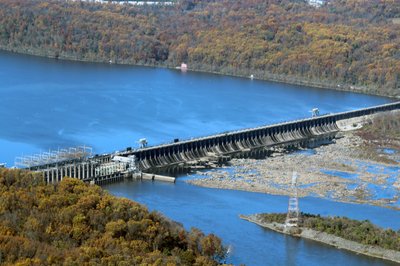

Transportation and other infrastructure must assure sensible development that respects the unique natural resources and environment that centers on our Chesapeake Bay and its many tributaries around the state. Commercial and industrial development must especially prudent to balance these interests for the long-term benefit of all.
Protecting the Chesapeake Bay aims primarily to prevent pollutants to flows in the Bay from industry and commerce conducted on the surrounding land areas. For this, the priority need is to clean up the sludge buildup where the Bay begins at the Conowingo Dam. Beyond that, we must prevent bad practices elsewhere on the land and waterways, but without undue burden to farmers and watermen. for example, we must end so-called “rain tax” and other excessive taxing on property owners and businesses as related to reasonable land use.
While we must promote clean energy use and sensible waste management, this must not create excessive burden on taxpayers, such as by subsidizing uneconomical use of solar panels, wind turbines, and other costly means for energy production. Instead, state and local government should seek out and support means to re-cycle waste for low-cost and useful energy production that will also benefit the environment as well.
Sensible development also requires an infrastructure of highways in good repair to move people from one center of high density development to another. While rail and metro can be useful to reduce highway traffic, our limited transportation budget must address waste and mismanagement, and recognize the balance of interests and needs in the community. For example, in Prince George’s County, there are some 23 Metrorail and MARC stations already constructed. The priority now is therefore to assure more local buses—running frequently, on time, seven days a week, and connecting citizens countywide to the different stations where more intense development should occur. Likewise, sensible economic development must preserve open green spaces, for parks and recreation, and avoid unnecessary develop outside high activity areas to reduce highway traffic as much as possible.